SecondMuse Offers Course on Building Just, Inclusive Economies
December 9, 2022
Through a partnership with the Sorenson Impact Center, we're offering hours of information on "Designing Economies for People and the Planet".
The Sorenson Impact Center, a social impact consultancy at the University of Utah, recently invited SecondMuse to participate in an initiative that aims to make economies more inclusive.
The initiative, called Project DEEP (Developing Equitable Economies Program), is designed to drive inclusive entrepreneurship by sharing resources and building a supportive network of people and organizations seeking to unlock more equitable wealth creation.
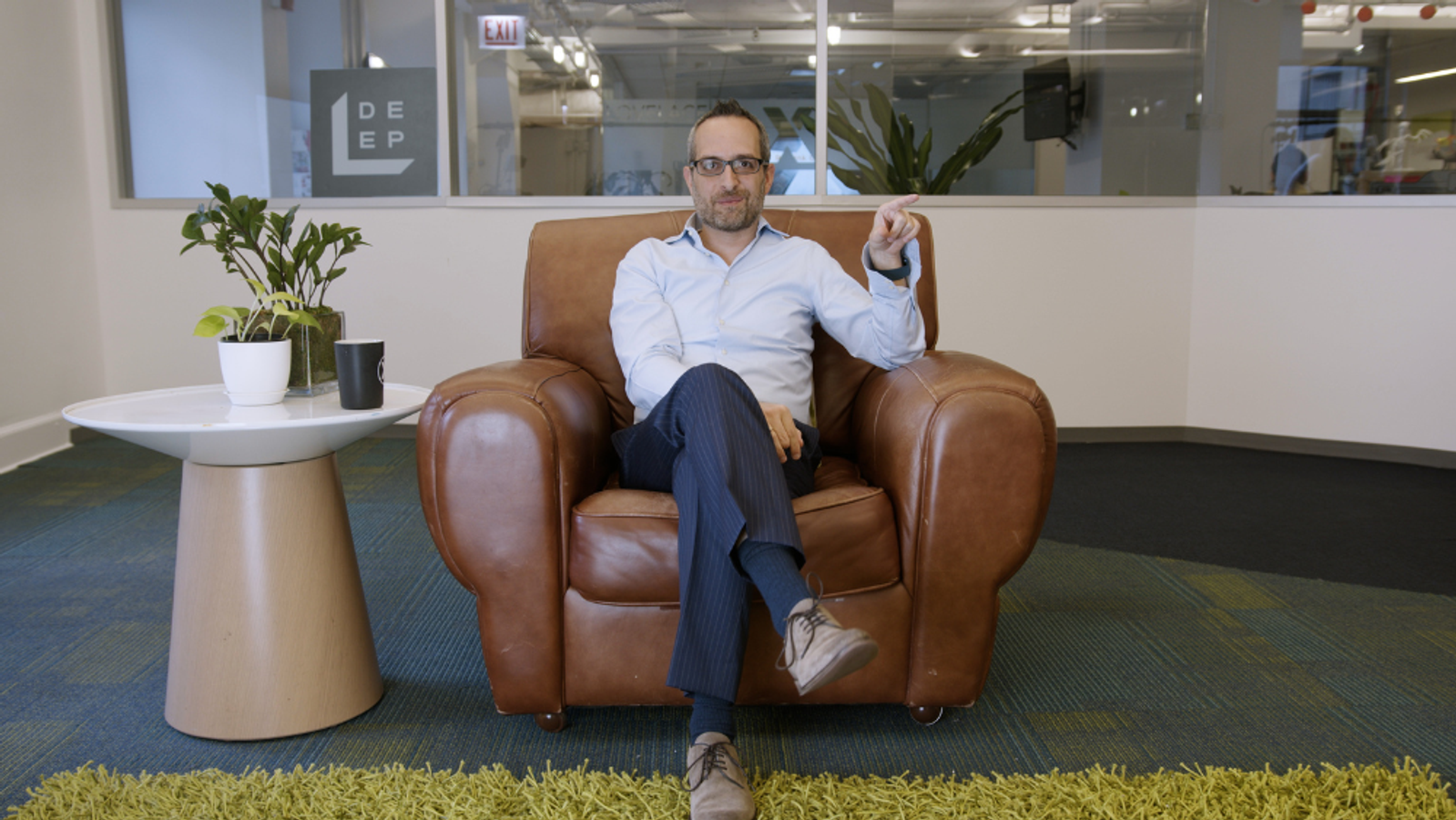
One of the features of this initiative is a series of video courses centered around key topics in entrepreneurship, investing, and ecosystem building, all taught by world-class subject matter experts. Our Co-CEO, Todd Khozein, was invited to offer a course, “Designing Economies For People and the Planet,” which delves into SecondMuse’s approach to building values into processes and ensuring people closest to the challenges we seek to address are centered as experts. The free course offers 42 lessons and six and a half hours of video content delivered by Todd and other SecondMuse experts.
Todd said he hoped the course would serve as a resource to anyone “actively trying to build [more just] economies while dismantling the chains that have held us back.”
The course content is based on our belief that we can design our way to a better future and walks participants through our Theory of Change, or approach to designing just economic systems that benefit all people and the environment. The theory involves empowering emerging changemakers, such as entrepreneurs and innovators with transformative ideas but lacking the systemic power to scale them. It also involves connecting changemakers with powerholders (such as foundations, corporations, and governments) who do have the systemic power to scale transformative ideas, and helping these groups wield their influence positively. We simultaneously work to build productive relationships between the wide range of people and organizations involved in any economic system. These relationships help ecosystem actors consider perspectives they may not have fully grasped before and better understand the impacts of their actions.
The bulk of our course content offers on-the-ground examples of how we apply this theory across sectors and geographic regions. In a section about our Scale For ClimateTech program, for example, our Program Director, Shelby Thompson, provides examples of how the New York-based program is building a diverse network of climate tech-focused manufacturing startups and helping to de-risk their burgeoning businesses. In a section about Headstream, our U.S. program dedicated to building an entrepreneurial ecosystem around digital technologies that center youth well-being, Youth Program Coordinator Mina Aslan and Senior Director David Ball delve into how the program centers youth as experts and how it is building trust with incumbent powerholders, such as big tech companies. Other course sections discuss how we are building gender equity in the U.S. tech economy, working to reduce ocean plastic pollution in South and Southeast Asia, and creating communities for entrepreneurs around the world — all in ways that prioritize people and the environment.
Our course is offered alongside five others that, together, provide a comprehensive knowledge bank for entrepreneurs, investors, and other ecosystem players hoping to drive change: Demystifying Entrepreneurship, Funding for Growth, Scaling through Systems, Women Investing for Change, and Entrepreneurial Ecosystem Building.
Beyond these courses, the Project Deep team connects Utah-based entrepreneurs with community organizations that offer education, coaching, and other technical assistance. The team will measure the impact of the video courses and community partnerships and extend the lessons learned into a broader impact measurement framework that can serve as a model for others aiming to make our economies more inclusive, especially for women and people of Color.
The initiative is funded by the Economic Development Administration, JPMorgan Chase, and the Sorenson Impact Foundation and builds on previous research on supporting historically marginalized entrepreneurs in Utah and beyond.
We’ve been thrilled to contribute to this effort and work with an organization that shares our vision of a world where all humans have equitable opportunities to thrive.